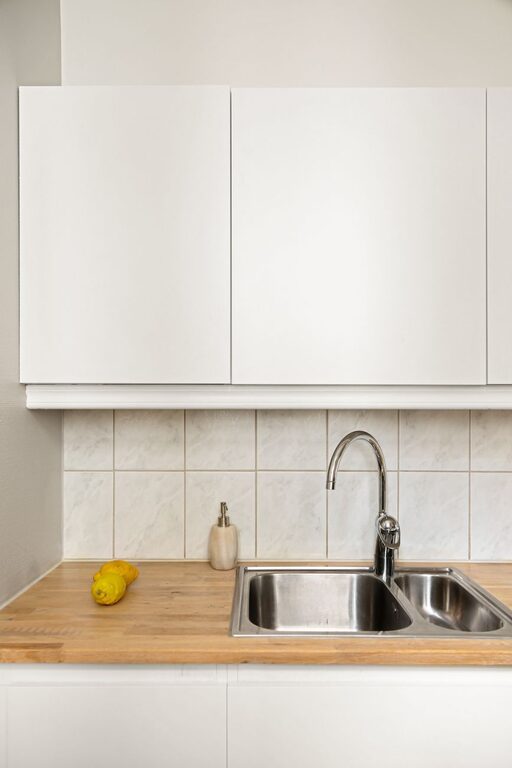
Keeping your kitchen counters clutter-free can transform the heart of your home into a more efficient, pleasant, and inviting space. Whether you have a small kitchen or a large one, countertop clutter can make cooking and cleaning more challenging and leave your kitchen feeling chaotic. Fortunately, there are simple, effective strategies to maintain neat and tidy surfaces while still keeping essentials within reach.
In this post, we’ll explore practical steps you can take to achieve clutter-free kitchen counters, from clever storage solutions to daily habits that make a big difference.
Why Clutter-Free Counters Matter
Before diving into the “how,” it’s important to understand the benefits of maintaining clear countertops:
– Improved efficiency: More counter space means more room to prep meals comfortably.
– Better hygiene: Fewer items on counters make cleaning easier and reduce dust and spills.
– Enhanced aesthetics: Clean surfaces help your kitchen look fresh and welcoming.
– Less stress: Clutter can create a sense of chaos; a tidy kitchen promotes calm and focus.
With those benefits in mind, let’s explore how to get there.
Step 1: Clear Everything and Assess
The first step to clutter-free counters is a complete reset.
- **Remove all items** from your kitchen counters. This includes appliances, utensils, decor, and food containers.
- **Sort items into categories**: daily essentials, occasional use, and rarely used.
- **Decide what needs to stay** on the counter for quick access and what can be stored elsewhere.
- **Consider your kitchen’s workflow**, keeping only what you use daily within easy reach.
This process helps you see how much space your items take up and identifies what can be moved or eliminated.
Step 2: Maximize Storage Options
Counter clutter often happens when storage is insufficient or disorganized. Here are ways to improve your kitchen storage:
Use Vertical Space
– Install wall shelves or hanging racks to store spices, mugs, or utensils.
– Consider magnetic strips for knives or metal tools.
– Use under-cabinet hooks for mugs or small pots.
Utilize Cabinet and Drawer Organizers
– Drawer dividers keep utensils and tools neatly separated.
– Pull-out shelves and baskets inside cabinets improve access and organization.
– Store appliances like mixers and blenders inside cabinets when not in use.
Invest in Multi-purpose Storage
– Use tiered trays or lazy Susans inside cabinets or on counters for small items.
– Corner shelves or rotating racks make use of awkward spaces.
Step 3: Keep Daily Essentials Handy, But Minimal
It’s helpful to keep a few essentials on the counter, but aim to limit their number.
– Store frequently used items like a coffee maker or toaster in a designated area.
– Use attractive containers for utensils or frequently used spices, but avoid overcrowding.
– Limit decorative items to one or two so they don’t take up too much space.
Tip: Use Matching Containers
Using uniform containers for items like sugar, flour, or snacks can make your counters look more organized and visually appealing.
Step 4: Create Zones on the Counter
Organizing your counter into zones can streamline your kitchen routine and reduce clutter buildup.
– Prep Zone: Keep cutting boards, knives, and mixing bowls here.
– Cooking Zone: Place pots, pans, oil, and spices near the stove.
– Cleaning Zone: Store soap, sponges, and drying racks near the sink.
– Coffee or Breakfast Zone: Dedicate a small section for coffee makers, mugs, and related supplies.
Zoning helps ensure items are stored logically and only where needed, so you don’t accumulate unnecessary clutter.
Step 5: Develop Daily Habits to Maintain Clarity
Keeping counters clutter-free is easier when you maintain good habits:
– Clean as you go: Wipe counters regularly during and after cooking.
– Put items back promptly: Store dishes and utensils immediately after use.
– Limit countertop shopping: Avoid bringing excess containers or packages to counters.
– Do a daily declutter: Spend a few minutes each day clearing anything out of place.
These habits prevent clutter from piling up and keep your kitchen looking neat long term.
Step 6: Declutter Periodically
Even with the best habits, kitchen clutter can accumulate over time. Plan regular decluttering:
– Every few months, repeat the clearing and assessing process.
– Remove duplicates, expired food, or rarely used gadgets.
– Reassess your storage needs and adjust accordingly.
Regular decluttering keeps your organization fresh and prevents counters from becoming overwhelmed.
Bonus Tips for a Stylish Clutter-Free Kitchen
– Choose appliances and containers with sleek designs that blend with your decor.
– Use a small tray or basket to corral small items like keys, mail, or phones.
– Add a single fresh element like a small plant or bowl of fruit to keep counters inviting without overload.
—
Final Thoughts
A clutter-free kitchen counter doesn’t happen overnight, but with intentional steps and consistent habits, you can create a more functional and beautiful kitchen space. Start by clearing everything, maximize your storage, keep only essentials on display, and create zones to organize your workflow. Regular maintenance will keep your counters tidy and your kitchen more enjoyable to use every day.
Give these tips a try and enjoy your neat, clutter-free kitchen counters!
About the Author