Planning balanced meals can sometimes feel overwhelming, especially when juggling a busy lifestyle. However, nourishing your body with the right combination of foods doesn’t have to be complicated or stressful. With a few simple strategies, you can create satisfying meals that support your health and fit your routine. This guide will walk you through how to plan balanced meals without the hassle, helping you enjoy food and mealtime more.
What Is a Balanced Meal?
Before diving into meal planning tips, it’s helpful to understand what makes a meal balanced. A balanced meal contains a variety of nutrients from different food groups that together support your energy levels, overall health, and wellbeing.
Key Components of a Balanced Meal
– Protein: Builds and repairs tissues; found in lean meats, fish, eggs, beans, and tofu.
– Healthy Carbohydrates: Provide energy; include whole grains, fruits, and vegetables.
– Healthy Fats: Support brain health and hormone function; sources include nuts, seeds, avocados, and olive oil.
– Fiber: Helps digestion and satiety; found in fruits, vegetables, whole grains, and legumes.
– Vitamins and Minerals: Essential for body functions; abundant in colorful vegetables and fruits.
When these components are combined in appropriate portions, you get a meal that is nutritious and satisfying.
Tips for Stress-Free Meal Planning
1. Keep It Simple
You don’t need elaborate recipes or exotic ingredients. Focus on simple, whole foods you enjoy and know how to prepare. For example, grilled chicken, roasted vegetables, and quinoa can be a quick, balanced meal.
2. Use a Meal Planning Template
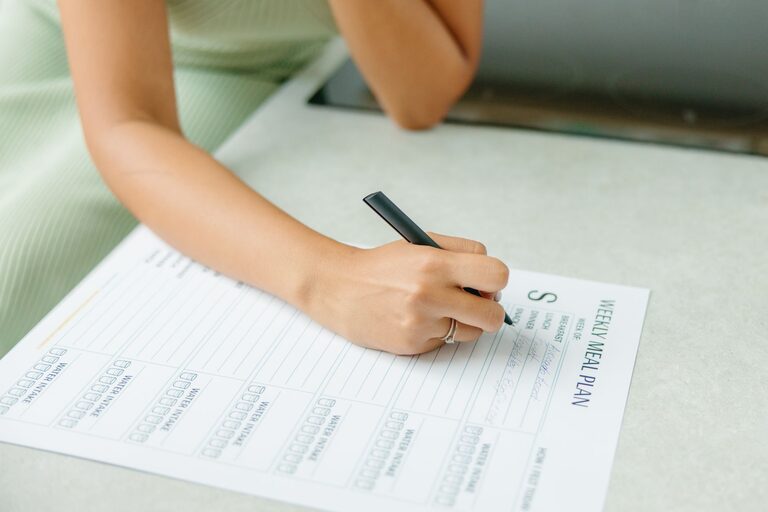
Create a weekly meal plan template that includes breakfast, lunch, dinner, and snacks. Filling out this template in advance helps you organize grocery shopping and reduces last-minute decisions.
3. Batch Cook and Prep Ingredients
Prepare large portions of staple foods like grains, roasted vegetables, or proteins at the start of the week. Store them in the fridge or freezer for quick meal assembly later.
4. Balance Your Plate Visually
A simple way to plan a balanced meal is using the plate method:
– Half the plate: non-starchy vegetables (spinach, broccoli, carrots).
– One-quarter: lean protein (chicken, fish, beans).
– One-quarter: whole grains or starchy vegetables (brown rice, sweet potatoes).
5. Include Variety Without Complexity
Rotate between your favorite proteins, vegetables, and grains weekly. Variety keeps meals interesting while avoiding complicated ingredient lists.
6. Use Leftovers Creatively
Transform leftovers into new meals—turn roasted vegetables into a frittata or chicken into a salad. This saves cooking time and reduces food waste.
7. Listen to Your Body
Pay attention to hunger and fullness cues. Balanced meals should leave you satisfied, not overly full or hungry soon after eating.
Sample Balanced Meal Ideas
Here are some easy meal ideas to inspire your planning:
Breakfast
– Greek yogurt with fresh berries, a handful of nuts, and a drizzle of honey.
– Scrambled eggs with spinach and whole-grain toast.
– Oatmeal topped with sliced banana, chia seeds, and cinnamon.
Lunch
– Quinoa salad with mixed greens, chickpeas, cherry tomatoes, cucumber, and lemon-tahini dressing.
– Turkey and avocado wrap with whole-wheat tortilla and a side of carrot sticks.
– Lentil soup with a side of whole-grain bread.
Dinner
– Baked salmon, steamed broccoli, and roasted sweet potatoes.
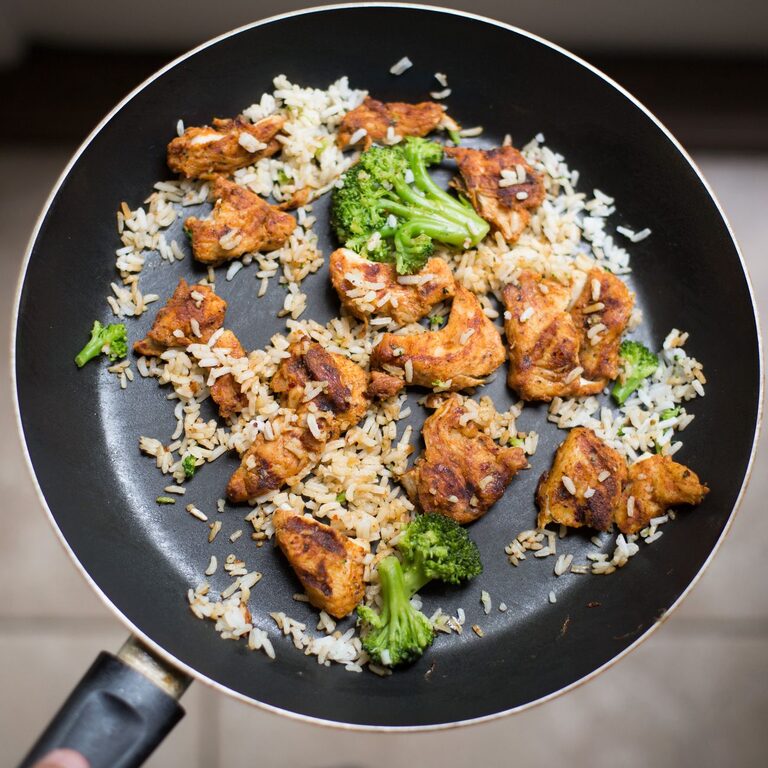
– Stir-fried tofu with mixed vegetables and brown rice.
– Grilled chicken breast with a quinoa and vegetable medley.
Snacks
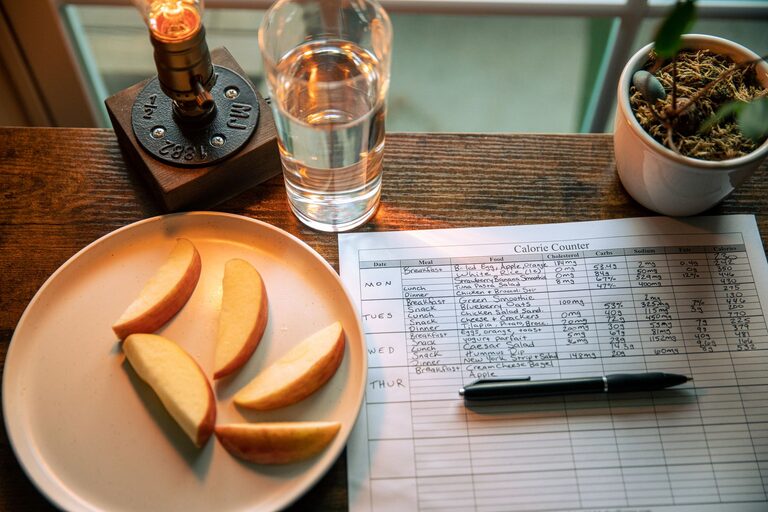
– Apple slices with almond butter.
– Hummus with cucumber and bell pepper strips.
– A small handful of mixed nuts and dried fruit.
Tools to Help You Stay Organized
– Meal Planning Apps: Apps like Mealime, Paprika, or Plan to Eat can simplify planning and grocery shopping.
– Grocery Lists: Keep a running list to avoid forgetting staples.
– Reusable Containers: Invest in quality containers for storing prepped meals and ingredients.
Common Challenges and How to Overcome Them
Lack of Time
Batch cooking and prepping ingredients when you have time can save you from rushed cooking on busy days.
Limited Cooking Skills
Start with simple recipes and gradually try new techniques. Many online resources and cooking videos are available for beginners.
Eating Out or On-the-Go
Plan balanced choices ahead when dining out by choosing meals with protein, vegetables, and whole grains. Keep healthy snacks handy.
Final Thoughts
Planning balanced meals without stress is achievable with a little preparation and the right mindset. Focus on whole foods, keep things simple, and use practical strategies that suit your lifestyle. By doing so, meal times can become a source of nourishment and enjoyment rather than a burden.
With consistency and creativity, balanced eating will soon become a natural and rewarding part of your routine. Happy meal planning!
About the Author